Steady State Health | 5 Min Read

(And what to do instead — without dieting yourself into misery.)
If you’ve gained weight in perimenopause or menopause while eating “basically the same,” you’re not imagining things — and you’re not doing anything wrong.
Your body is changing. Hormones are shifting. Muscle mass naturally declines with age. Sleep gets more fragile. Stress hits harder. And suddenly the old “eat less, move more” advice feels useless — or worse, punishing.
The truth? Menopause weight gain is not a willpower problem. But certain nutrition habits can absolutely make it harder for your body to regulate weight during this stage of life.
Let’s talk about the most common ones — and what actually helps instead.
1. Eating Too Little Protein (Especially Earlier in the Day)

Protein does a lot more than build muscle. It helps you feel full, stabilizes blood sugar, and protects lean mass — which is crucial because muscle helps keep your metabolism working efficiently.
When breakfast or lunch is mostly carbs (toast, cereal, crackers, fruit alone), hunger comes back fast. That sets you up for grazing, cravings, and overeating later.
What helps instead:
Aim to include protein at every meal, especially breakfast and lunch.
Examples:
- Eggs with veggies and avocado
- Greek yogurt with berries and chia seeds
- Cottage cheese with fruit and nuts
- A smoothie with protein + fiber (not just fruit)
You don’t need perfection — consistency matters more.
2. Relying Too Heavily on Ultra-Processed Foods
Ultra-processed foods are convenient — but they’re designed to be easy to overeat. They’re often low in fiber and protein, high in refined carbs, and don’t keep you full for long.
Think: snack bars replacing meals, frozen dinners most nights, chips or crackers as “lunch.”
What helps instead:
Use an 80/20 approach.
- Mostly whole or minimally processed foods
- Some room for convenience and pleasure
Simple swaps:
- Snack bars → real food lunches
- Chips → popcorn, nuts, hummus with crackers
- Frozen meals → add extra veggies or protein to make them more filling
3. Underestimating Added Sugar
Sugar isn’t just in desserts. It hides in sauces, flavored yogurts, coffee drinks, cereals, and “healthy” snacks.
In menopause, frequent blood sugar spikes can increase cravings, energy crashes, and fat storage — especially around the belly.
What helps instead:
- Choose unsweetened versions and add your own fruit
- Watch liquid sugars (coffee drinks, juices)
- Keep smarter sweet options on hand: dark chocolate, berries, yogurt with cinnamon
You don’t have to cut sugar completely — just make it intentional.
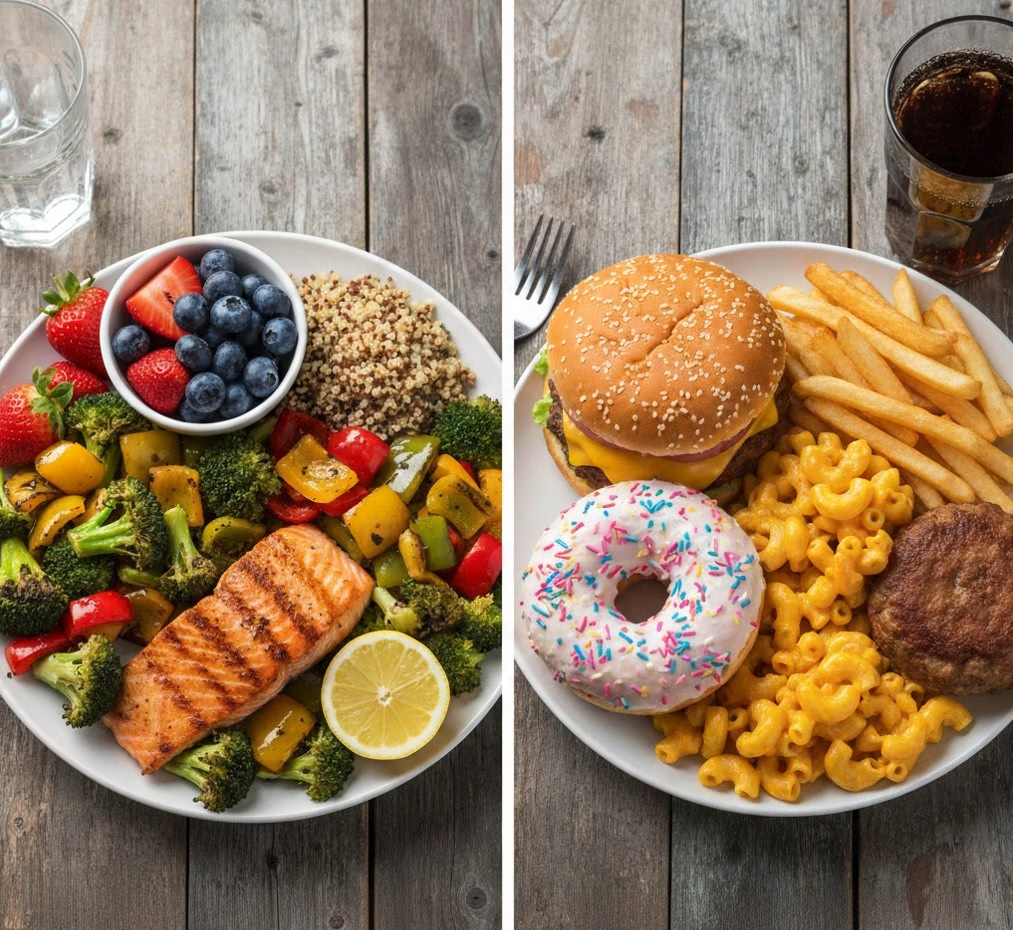
4. Drinking Your Calories
Liquid calories don’t trigger fullness the same way solid food does. Fancy coffees, juice, sweet tea, and even smoothies can add hundreds of calories without satisfying hunger.
What helps instead:
- Make coffee creamy without syrups
- Dilute juice with sparkling water
- Build smoothies with protein and fiber, not just fruit
- Prioritize water and unsweetened drinks throughout the day
5. Cutting Carbs — Then Living on Refined Ones
Many women try to “cut carbs” during menopause, but what actually happens is this:
- Fiber-rich carbs disappear (beans, oats, fruit)
- Refined carbs sneak in (crackers, bread, snack foods)
Refined carbs digest quickly, spike blood sugar, and lead to hunger soon after.
What helps instead:
Keep carbs — just choose the ones that work with your hormones:
- Oats, quinoa, brown rice
- Beans and lentils
- Sweet potatoes, fruit, starchy vegetables
Always pair carbs with protein and fat to stay full longer.
6. Not Eating Enough Fiber
Fiber supports fullness, digestion, gut health, and blood sugar balance — all of which matter more in midlife.
Low fiber often shows up as:
- Constant snacking
- Feeling hungry soon after meals
- Digestive issues
What helps instead:
Aim for 30-50 grams per day (build slowly and hydrate).
Easy ways to add more:
- Chia or flax seeds in yogurt or smoothies
- Beans or lentils a few times per week
- A veggie starter before dinner (salad, soup, roasted veggies)

7. Grazing All Day or Eating the Biggest Meal at Night
Constant snacking can keep hunger hormones switched “on” all day. On the flip side, eating most calories late at night — when you’re tired and less active — often leads to overeating lower-quality foods.
What helps instead:
Try a simple rhythm:
- Three balanced meals
- One planned snack if needed
Make lunch your most substantial meal and keep dinner lighter but satisfying.
8. Regular Alcohol (Even When It’s “Not That Much”)
Alcohol adds calories, can disrupt sleep, and may worsen hot flashes for some women. Poor sleep then increases hunger and cravings the next day — creating a frustrating cycle.
What helps instead:
You don’t have to quit forever, but try:
- A few alcohol-free nights each week
- Avoiding alcohol close to bedtime
- Swapping in a fun non-alcoholic drink (sparkling water, citrus, bitters)

What to Focus on This Week
If you want a simple reset:
- Add protein to breakfast
- Add fiber once per day
- Swap one ultra-processed food for a whole-food option
- Drink water before reaching for snacks
- Take a short break from alcohol if weight feels stuck
Small changes compound — especially in menopause.
Final Takeaway
Menopause weight gain isn’t a personal failure. It’s your body asking for a different strategy.
You don’t need extreme diets, food rules, or constant restriction. You need nutrition that supports this phase of life — your hormones, your metabolism, and your real, busy, human days.
And you don’t have to figure it out alone.
Ready for Support That Fits Your Body?
If you’re tired of guessing and want a plan that works with your hormones — not against them — Steady State Health can help.
And get a personalized roadmap for feeling stronger, clearer, and more at home in your body.
GET IN TOUCH
References (APA Format)
Academy of Nutrition and Dietetics. (2025). Nutrition and menopause. EatRight.org. https://www.eatright.org/health/wellness/healthful-habits/nutrition-and-menopause
Mayo Clinic Staff. (2023). The reality of menopause weight gain. Mayo Clinic. https://www.mayoclinic.org/healthy-lifestyle/womens-health/in-depth/menopause-weight-gain/art-20046058
The Menopause Society. (n.d.). Midlife weight gain (MenoNote). https://menopause.org/wp-content/uploads/for-women/MenoNote-Weight-Gain.pdf
Sissons, B. (2024). Foods to avoid for menopause belly fat. Health. https://www.health.com/foods-to-avoid-for-menopause-belly-fat-8752131